This is what I am building, or at least what I have managed to gather so far.
There are three projects, and one question that keeps returning: what actually grows in the middle of things?
Each project is its own thing, answering a different part of what I think of Transition. When I put them together, they start to look like a kind of map.
The Work
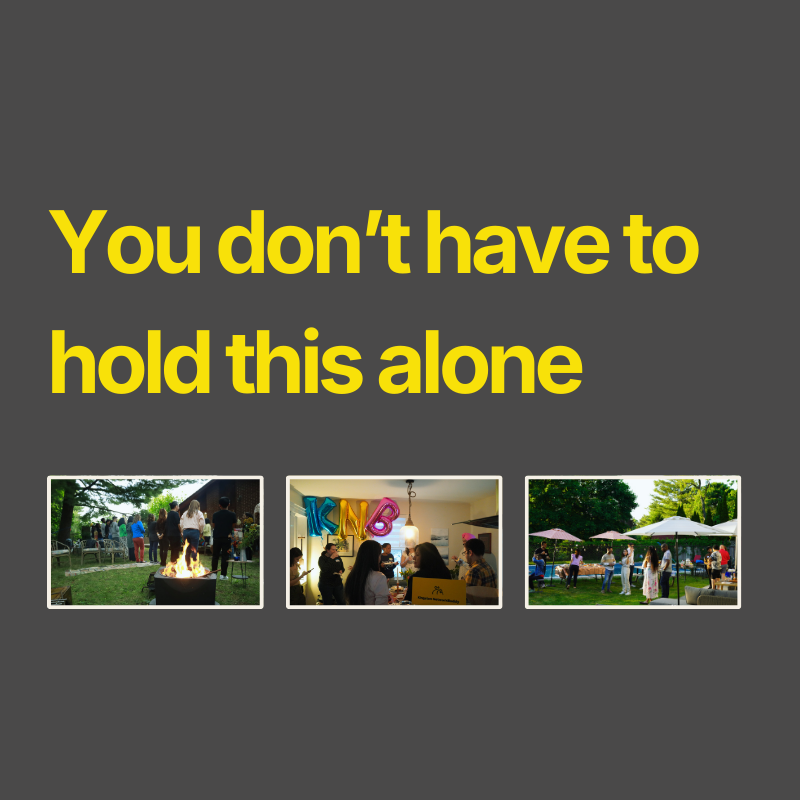
Kingston NetworkBuddy
What it is: This is a space that has taken shape because people needed it. It’s not official or formal, just a gathering that grew out of the uncertainty that comes with being new and not quite settled. It’s made by peers, for each other, and it tries to make room for anyone still figuring things out.
What it does: We meet in person, and it’s simple. The most important thing, maybe, is that you can walk in and not have to explain yourself from the beginning. There’s a sense that people already understand a little of what brought you here.
Who is this for? This is mostly for newcomers in Ontario, especially if you’re in Kingston or close by. If that’s you, maybe there’s something here for you too.
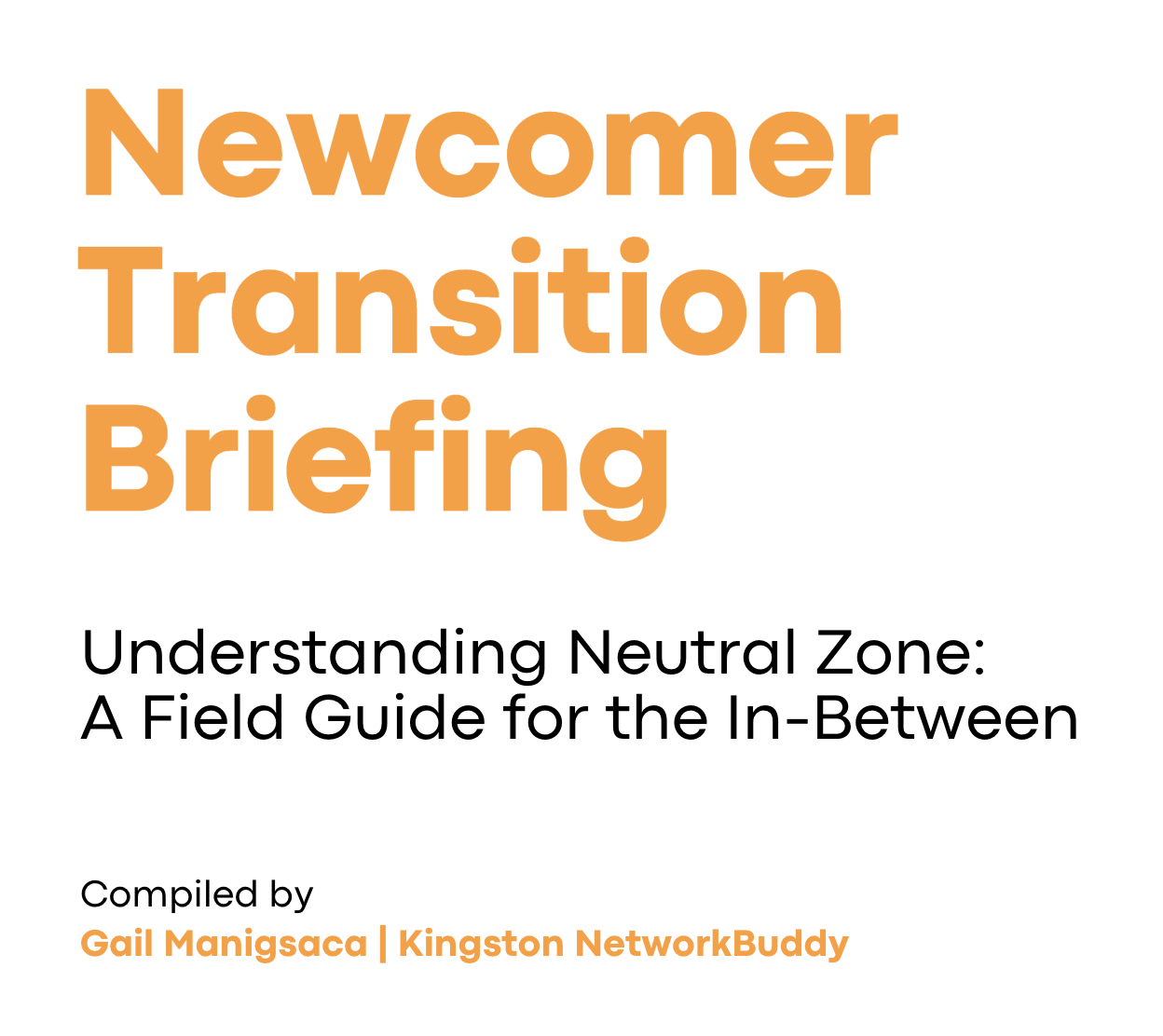
The Newcomer Transition Briefing (NTB)
What it is: This is a field guide in ten parts, written for the quiet space that comes after the counting is done.
What it does: Each issue is brief—just four pages—and tries to lay out one framework in words that make sense, drawn from what others like me have learned and shared. I wanted it to be free, and grounded in what research and lived experience can offer.
Who it is for: I wrote this for temporary foreign workers, PGWP holders, and anyone new to Canada who might have all the right documents but still feel unsteady, as if the ground hasn’t quite settled beneath them.
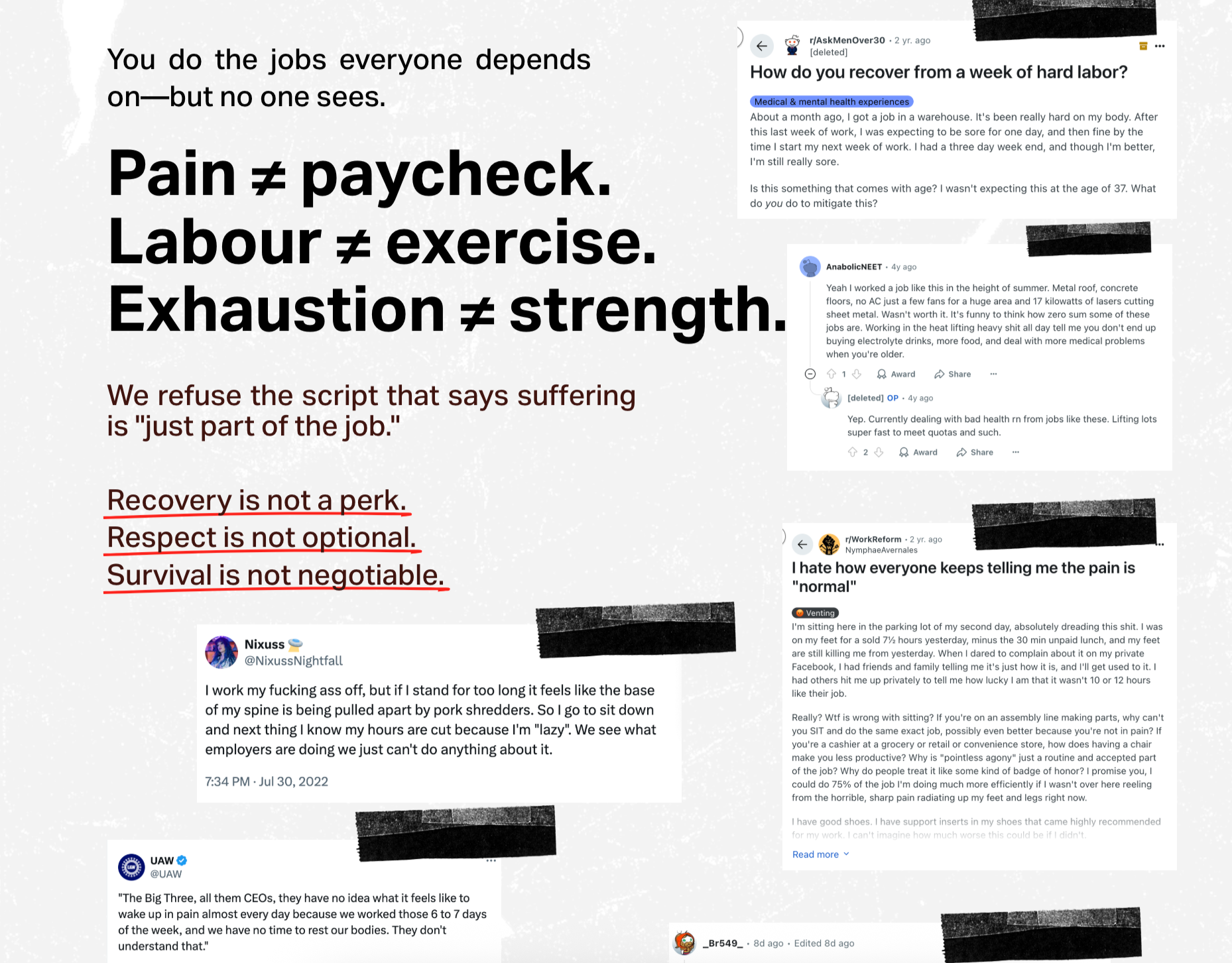
Exhausted Bodies (EB)
What it is: This is a field notebook from cleaning shifts, pain logs, and small recovery experiments. I am not calling manual work exercise or a way to build character. It feels more like a system that wears down joints, tendons, and attention, faster than they can heal.
What it does: I keep wondering what public health or wellness would look like if it started with bodies that are already worn out from work, not with people who sit at desks. I am trying to build small, quiet routines that can fit into what workers already do just to get through the day.
Who it is for: This is for cleaners, warehouse staff, carers, food service workers, and anyone else in jobs where the same motions repeat and there is little control. The kind of exhaustion that comes from the structure of the work, not from any personal failing.

Still in the Middle (podcast — coming June 2026)
What it is: This is meant as a companion to the NTB, a place for conversations with people who are still in Stage 2. I wanted to hear what it sounds like when someone is in the middle of it, not just looking back from a safe distance.
What it does: Here, guests talk about what they’re learning, what they’re surviving, and how they’re changing. The conversations are honest, without any need to perform or pretend that things are easier than they are.
Who it is for: It’s for anyone who wants to listen in on what it’s actually like to be inside Stage 2—not just the research, but the real, lived experience as it unfolds.
During the launch of my Newcomer Transition Briefing PDF series, you’ll receive a weekly email with the next issue. After the series is finished, I’ll email occasionally with Kingston NetworkBuddy updates, companion notes, and major releases.
You can unsubscribe anytime.
Stay with the work as it unfolds
After you sign up, we’ll send a confirmation email. Please click the confirm link to start receiving emails.